Table of Contents
- Why Professional Portrait Printing Matters
- Home Printing vs Professional Photo Printing: What’s the Real Difference
- How to Prepare Photos for Printing
- Choosing the Right Portrait Print Sizes
- Durability: How Professional Prints Outlast Home Alternatives
- Caring for Printed Photographs
- Is Professional Printing Right for Your Family?
- Frequently Asked Questions
Last Updated: 21 October 2026
Why Professional Portrait Printing Matters
Professional portrait printing transforms digital images into tangible keepsakes that shape how families experience their memories. When you invest in professional portrait printing, you’re not simply producing a photograph, you’re creating an object that will sit on a mantelpiece, hang on a wall, or be passed through generations.
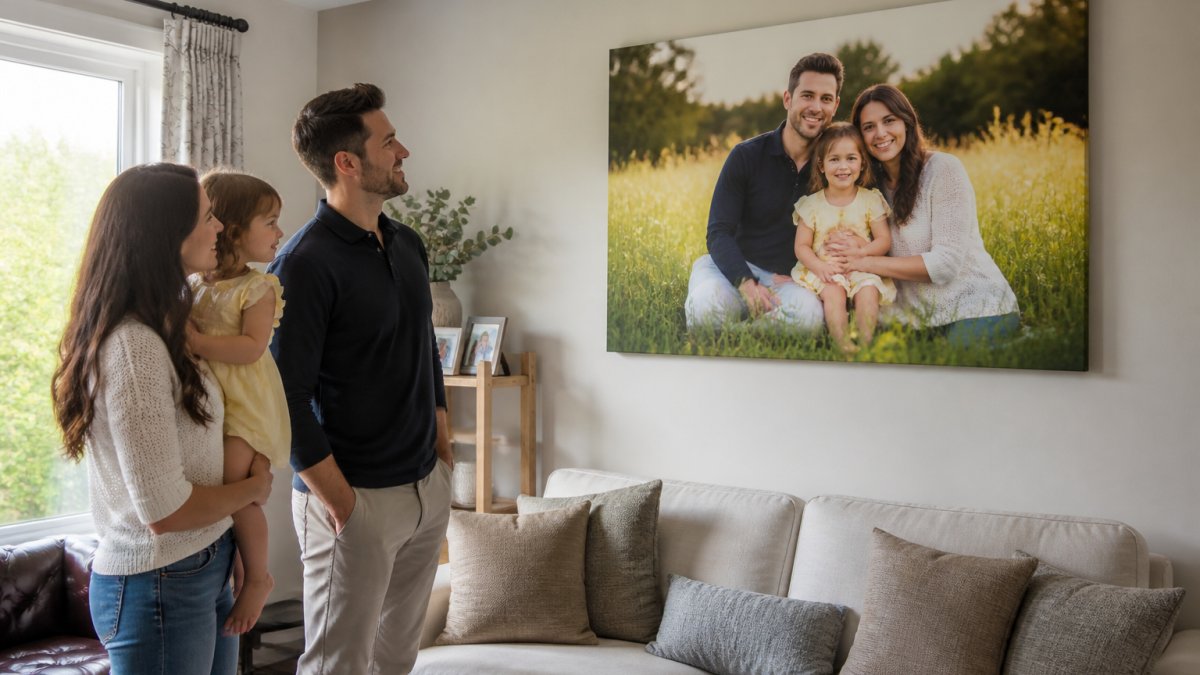
The difference between a digital file and a printed portrait goes beyond aesthetics. A professional print uses archival-quality materials and precise colour calibration that home printers cannot match. The inks, paper, and production methods are engineered to resist fading, moisture, and the wear that comes from years of display.
Professional prints from labs like Nations Photo Lab use silver-halide technology, which creates more stable colour than inkjet printing. This matters if you want your portraits to look the same in 10 years as they do today.
Most families discover too late that digital files alone don’t create the emotional connection that physical prints do. A folder on your computer rarely gets opened. A portrait on your wall becomes part of your home’s story.
Home Printing vs Professional Photo Printing: What’s the Real Difference
The gap between home printing and professional portrait printing comes down to three things: equipment, materials, and expertise.
Home printers have real constraints. They’re designed for occasional use, not the volume or consistency that professional labs handle daily. The maximum print width on most home photo printers sits around A4 size, which limits your options for larger display pieces. Ink costs add up quickly when you’re printing regularly, and you’re responsible for calibrating colours, managing paper stock, and troubleshooting technical issues.
Professional labs approach printing differently. They invest in industrial-grade equipment, maintain strict quality control, and handle thousands of prints monthly. This scale allows them to refine their process in ways individual printers cannot. When you order from a professional lab, you’re paying for consistency and expertise alongside the physical product.
For occasional prints of a few photographs, home printing might feel cost-effective. For a family wanting multiple portrait prints in different sizes and finishes, professional printing typically delivers better results and costs less per print once you factor in equipment and supplies.
The real choice isn’t about technology, it’s about what you value. If you want prints that last decades without fading, that display beautifully in various room settings, and that require no technical knowledge to produce, professional portrait printing is worth the investment. If you’re printing test shots or occasional snapshots, home printing suffices.
How to Prepare Photos for Printing
Professional portrait printing depends entirely on what you send to the lab. A stunning portrait on your screen might disappoint in print if the file isn’t prepared correctly.
Start with resolution. Printing requires at least 300 pixels per inch (ppi) for sharp results. If your original file is lower resolution, enlarging it for printing will result in visible pixelation. Most professional photographers deliver files at 300 ppi or higher specifically for this reason.
Colour space matters too. Digital screens display colour in RGB (red, green, blue), but professional printing uses CMYK (cyan, magenta, yellow, black). If your file isn’t converted to CMYK before printing, colours can shift, sometimes dramatically. Reds become orange, blues turn purple. Professional labs often handle this conversion, but providing a CMYK file ensures you get exactly what you expect.
Consider the final size before you order. A portrait that looks perfect at 8×10 inches might feel cramped at 16×20 inches, or lose detail if reduced to 4×6 inches. Think about where the print will hang and what size suits that space.
Cropping during printing can cut off important parts of the image. Always check the crop preview before confirming your order, especially with professional labs that offer custom framing or mounting options.
Most professional labs provide clear guidelines on file requirements and offer preview tools so you can see exactly how your print will look before it ships. Taking five minutes to prepare your file properly prevents disappointment and wasted money.
Choosing the Right Portrait Print Sizes
Portrait print size depends on where it will live and what impact you want it to have.
Small prints (4×6 to 5×7 inches) work well for albums, shelves, or gift sets. They’re affordable and easy to frame, but they don’t command attention in a room. Use small prints when you want something personal rather than decorative.
Medium prints (8×10 to 11×14 inches) strike a balance. They’re large enough to display prominently on a wall or mantelpiece without overwhelming a space. Most family portraits look best in this range; the detail is visible, the impact is clear, but they fit naturally into home décor.
Large prints (16×20 inches and beyond) become focal points. A large professional portrait print draws the eye and creates a sense of importance. They suit hallways, living rooms, or spaces where you want a strong visual statement. Large prints also reveal the quality difference between professional and home printing more obviously; the detail, colour accuracy, and finish become undeniable. Achieving this level of clarity requires a mastery of materials and technique that defines museum quality photography, explaining why the investment in professional services remains essential for those seeking to preserve their images with longevity.
Consider your wall space and the room’s scale. A 16×20 print looks cramped in a small bedroom but perfect in a living room. A 5×7 print disappears on a large blank wall.
Most families find 11×14 inches the sweet spot for professional portrait prints, large enough to display beautifully, small enough to fit most wall spaces, and affordable enough to order multiple sizes.
Professional labs typically offer standard sizes that work with standard frames, making it easier to find display options. If you’re unsure, start with 8×10 inches. It’s a forgiving size that suits most spaces and gives you room to enlarge later if you want a bigger version.
Durability: How Professional Prints Outlast Home Alternatives
A professional portrait print from a reputable lab will outlast a home-printed version by decades, sometimes centuries. This isn’t marketing. It’s chemistry.
Professional labs use archival-grade materials designed to resist fading, moisture, and environmental damage. Silver-halide printing creates prints that remain stable for 80+ years under normal display conditions. The inks, paper, and mounting materials are tested for longevity and certified for archival quality.
Home inkjet prints fade much faster. Standard inkjet inks break down when exposed to light, heat, and humidity. A home-printed portrait that looks vibrant today might show noticeable colour shift within 5-10 years. This matters when you’re printing something you want to keep forever.
The difference becomes obvious when you compare an old professional print with an old home print side by side. The professional print retains its colour and contrast. The home print has faded, yellowed, or developed uneven tones.
If you’re printing portraits to display in your home, images you want your children and grandchildren to see, professional portrait printing is the only choice that guarantees longevity. Home printing works for temporary displays or frequent updates, but it won’t preserve your family’s memories the way professional printing will.
Caring for Printed Photographs
Once you have professional portrait prints, protecting them is straightforward but important.
Display prints away from direct sunlight. Ultraviolet light fades even archival prints over time, though the process is slow. A portrait hanging in direct afternoon sun will fade noticeably within 5-10 years. Place prints in rooms where they receive ambient light rather than direct rays.
Keep prints away from moisture and extreme temperature changes. Bathrooms, kitchens, and damp cellars aren’t ideal locations. Moisture can warp paper, encourage mould, and damage the emulsion on professional prints. Room temperature and humidity should remain relatively stable.
If you frame your prints, use UV-protective glass or acrylic. This adds a layer of protection against light damage and dust. Avoid cheap frames with non-archival materials; they can degrade over time and damage the print through contact.
Store unframed prints in acid-free sleeves or boxes, in a cool, dry place. Never store prints in direct contact with cardboard or standard plastic, which can transfer chemicals that damage the image. Professional-grade storage materials are inexpensive and worth the investment.
Handle prints by the edges only. Oils from your skin can mark the surface and eventually cause fading or discolouration. If a print gets dusty, use a soft brush or compressed air to clean it; never touch the surface directly.
Is Professional Printing Right for Your Family?
Professional portrait printing makes sense if any of these apply to you:
You want portraits that last. If you’re printing images you hope to display for years or pass to future generations, professional printing is the only option that guarantees longevity.
You’re printing multiple sizes or formats. Professional labs offer variety: different papers, finishes, sizes, and mounting options. Ordering several prints at once is often more cost-effective than printing them individually at home.
You value your time. Professional printing eliminates the technical work. No colour calibration, no paper selection, no troubleshooting. You upload your file and receive finished prints.
You want consistent quality. Professional labs produce prints that look identical to one another. Home printing introduces variables – ink levels, paper moisture, nozzle alignment – that affect each print differently.
You’re displaying prints prominently. Large prints, wall art, and focal-point displays deserve professional quality. The difference is visible and worth the investment.
Home printing still makes sense if you’re printing small test shots, temporary displays, or occasional snapshots where durability isn’t critical. But for family portraits, images that matter emotionally and deserve to last, professional portrait printing is worth it.
At GWS Photography, we’ve seen how professional prints transform the way families experience their portraits. A digital file sits in a folder. A professional print becomes part of your home, a daily reminder of the people and moments that matter most. That’s the real value of professional portrait printing: not just better colour or longer-lasting materials, but the shift from storing memories to living with them.
Frequently Asked Questions
What’s the difference between professional portrait printing and printing at home?
Professional portrait printing uses industrial-grade equipment, archival-quality paper and inks, and colour-calibrated processes that home printers cannot match. Professional labs apply consistent colour management across every print, ensure consistent exposure, and use fade-resistant materials. Home printing, even with quality equipment, lacks this precision and uses inks that fade within 5-10 years. Professional prints remain vibrant for decades when stored properly.
How do I prepare photos for printing to ensure the best results?
Start by checking your image resolution: professional printing typically requires 300 DPI (dots per inch) at your intended print size. Ensure your file is in sRGB colour space, not RGB, for accurate lab reproduction. Avoid over-sharpening or heavy filters that look good on screens but print poorly. Have your photographer or a professional editor review the image before sending it to the lab. Provide the lab with your intended print size so they can advise on cropping and composition.
What portrait print sizes work best for displaying family photographs?
Common professional sizes are 8×10 inches for tabletop frames, 11×14 inches for small wall displays, and 16×20 inches or larger for statement pieces. The best size depends on your wall space and viewing distance: larger prints (20×24 inches or more) work well in living rooms viewed from several metres away, while smaller prints suit bedrooms or hallways. Professional labs can advise on ideal sizes based on your image composition and room dimensions.
How should I care for printed photographs to keep them looking fresh?
Display professional prints away from direct sunlight, which fades colours over time. Avoid damp rooms like bathrooms; humidity can damage paper and cause warping. Use UV-protective glass or acrylic in frames to reduce fading. Handle prints by the edges only, using clean, dry hands. Store unframed prints in acid-free sleeves in a cool, dry place. Professional archival prints resist fading far better than home-printed images, but proper storage and display still matter for long-term preservation.
Is professional portrait printing worth the cost compared to digital files alone?
Professional printing transforms digital files into tangible artwork that families actually display and enjoy. Studies show printed photographs create stronger emotional connections and are viewed more frequently than digital images stored on devices. Professional prints become family heirlooms that last decades, whereas digital files depend on storage devices that fail or become obsolete. If you value preserving memories as physical art in your home, professional printing justifies the investment.